What to Eat to Build Muscle on T: Meals, Habits, and Timing
How much protein and carbs you need to build muscle, plus easy food ideas, whether you’re trans or cis, on HRT or not.
To build muscle, you need three things from your food: enough protein to repair and grow muscle, enough carbs to fuel your workouts, and enough food overall. A lot of people assume building muscle is all about lifting as heavy as you can. Lifting heavy is definitely important (our FTM chest workout guide is a great place to start), but eating enough of the right foods is just as important, if not more!
And if you're trans, the basics are exactly the same. Whether you're on testosterone, on estrogen, planning to start HRT, or not taking hormones at all, your muscles need the same things to grow: protein, carbs, and enough food overall.
Muscle isn't just built in the gym. It's built in the kitchen!
Protein: How Much You Need to Build Muscle
Protein is one of the most essential nutrients for building muscle. Most of us know this, but many people don't know how much they need or where to get it. Let's break it down.
Protein Rule of Thumb
Whether you want to build new muscle, build muscle while losing fat, or hold onto muscle during a cut, and whether you're trans or cis, on hormones or not, the rule of thumb for protein is the same:
0.8 to 1 gram of protein per pound of lean body mass, per day.
Put It Into Practice
To find your lean body mass, take away your body fat percentage from 100, then multiply your body weight by what's left.
If you weigh 130 pounds and have 15% body fat, take 85% of 130. That's 110.5 pounds of lean body mass. So, you would want at least 110.5g of protein per day.
If you weigh 180 pounds and have 30% body fat, take 70% of 180. That's 126 pounds of lean body mass. So, you would want, at the minimum, 126g of protein per day.
Don't know your body fat percentage? That's completely okay. These are starting ranges, not strict rules, and your Landyn Pan Fitness coach adjusts them for your body, your training, and your goals.
Sources of Protein
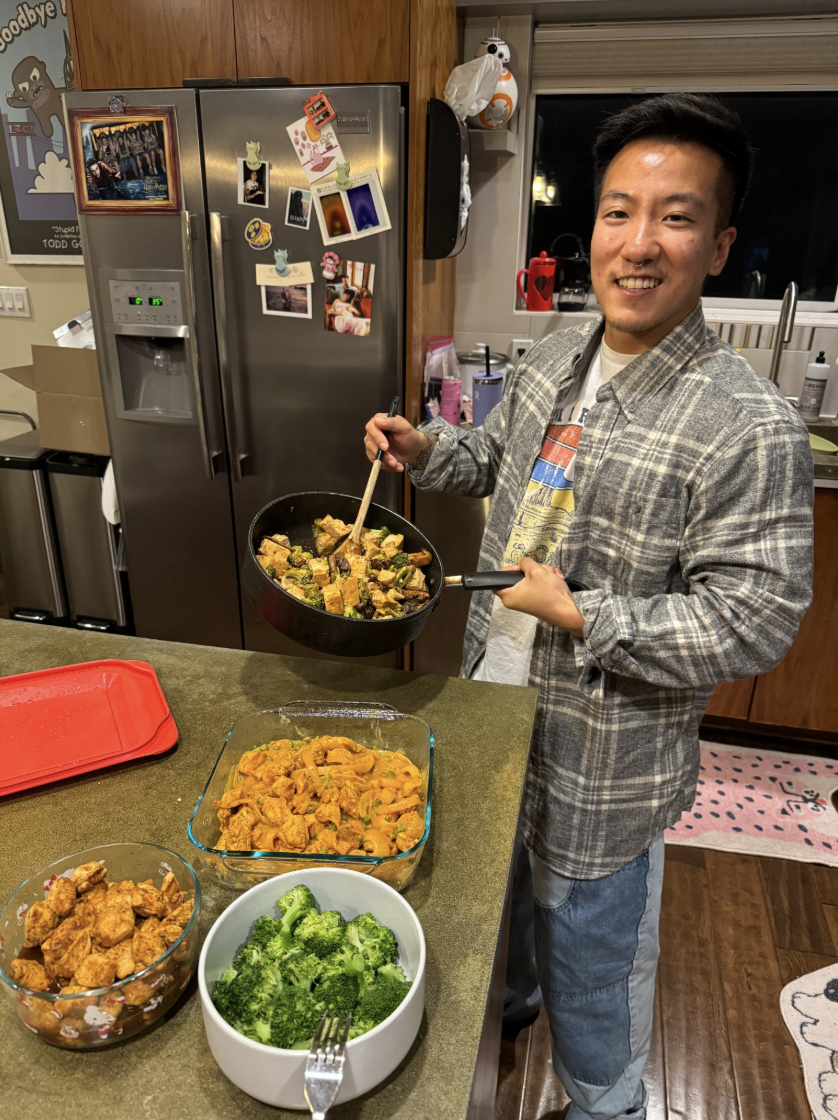
Lean Meat (try to eat this at every meal!)
Chicken
White fish
93/7 ground beef
93/7 ground turkey
Other sources:
Tofu
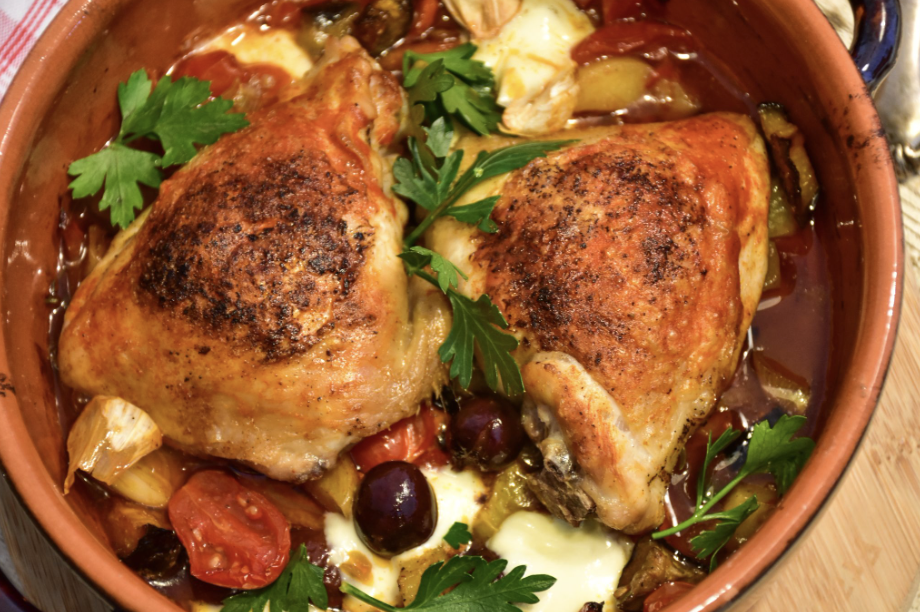
Beans
Lentils
Seitan
Greek yogurt
Eggs
Protein powders:
Whey and vegan powders both work. Look for ones with a complete amino acid profile!
Protein bars and other processed snacks like protein chips and protein cookies are handy in a pinch, but they work best alongside whole foods rather than as your main source.
Aim for roughly 30 to 40 grams of protein per meal. Spreading it out across the day makes your daily range much easier to hit.
Carbs: How Much You Need to Fuel Your Workouts
Carbs are essential for building muscle because they give you the energy to work out! Without enough carbs before lifting, you might not be able to lift as heavy or train at full capacity, and that leaves gains on the table.
Carbs Rule of Thumb
For carbs, the rule is:
1.5 to 2 grams of carbs per pound of body weight, per day.
Let's Put That Into Practice
If someone weighs 130 pounds: 130 x 1.5 = 195 grams, and 130 x 2 = 260 grams. This person would aim for about 195 to 260 grams of carbs per day.
If someone weighs 180 pounds: 180 x 1.5 = 270 grams, and 180 x 2 = 360 grams. This person would aim for about 270 to 360 grams of carbs per day.
These ranges are the same whether or not you're on HRT. Your carb needs shift more with how much you're training, so think of this as a starting point your coach can fine-tune.
Sources of Carbs
Whole wheat:
Bread
Tortillas
Pasta
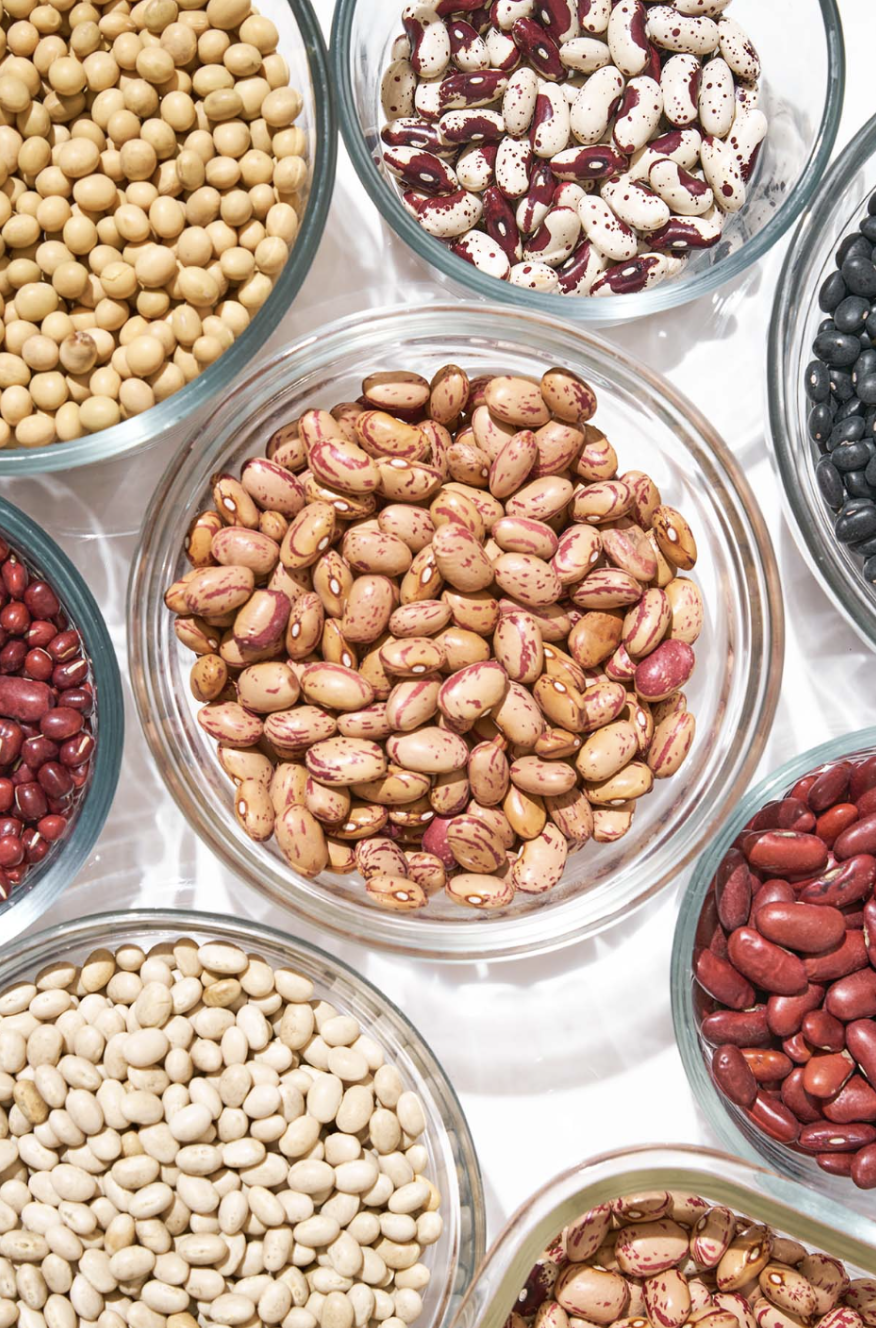
Beans, lentils, and legumes:
These have both carbs and protein!
Grains:
Rice
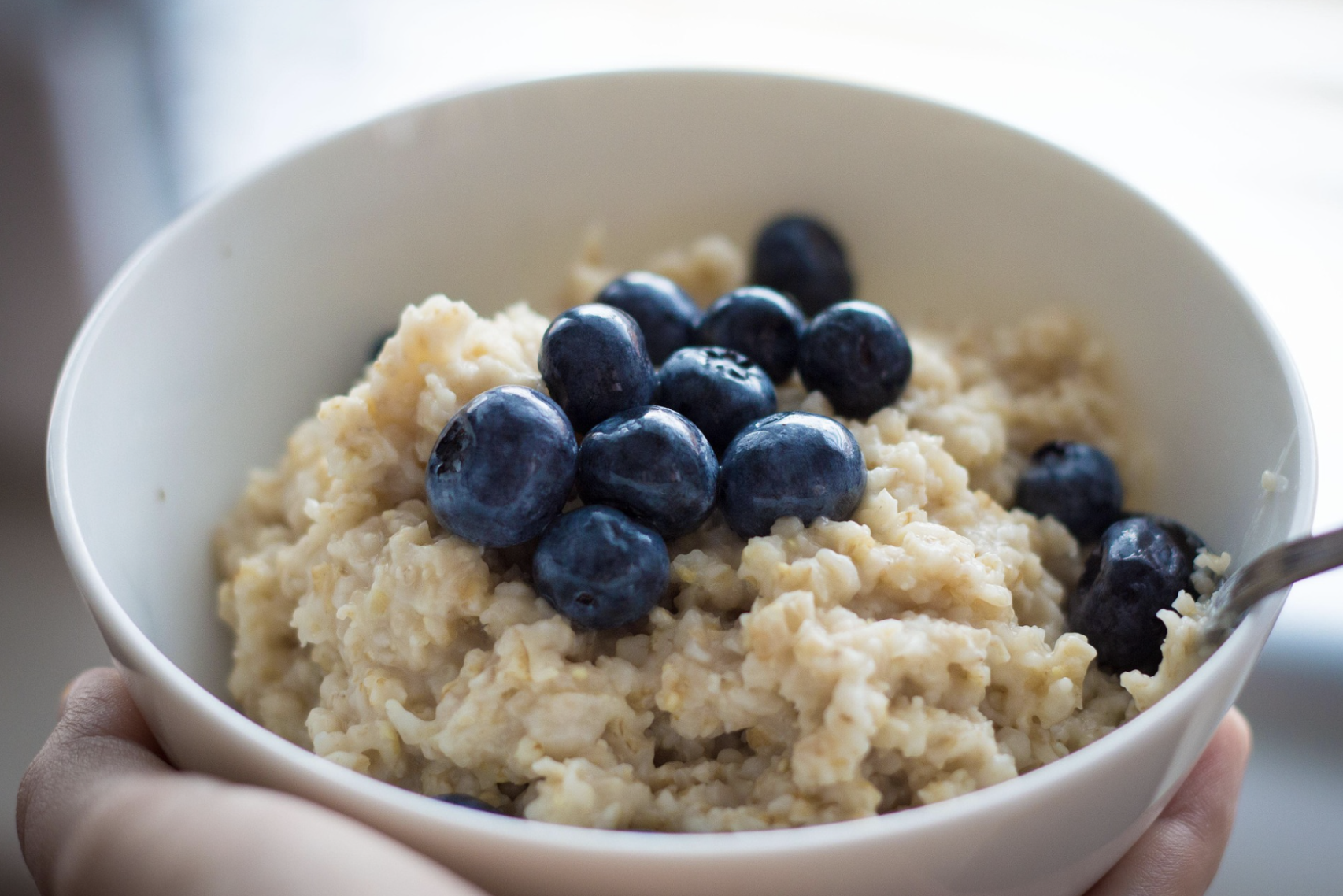
Steel-cut or old-fashioned oatmeal
Quinoa
Fruits and veggies:
Potatoes and sweet potatoes (one isn't better than the other; they're both great options with different nutrient profiles)
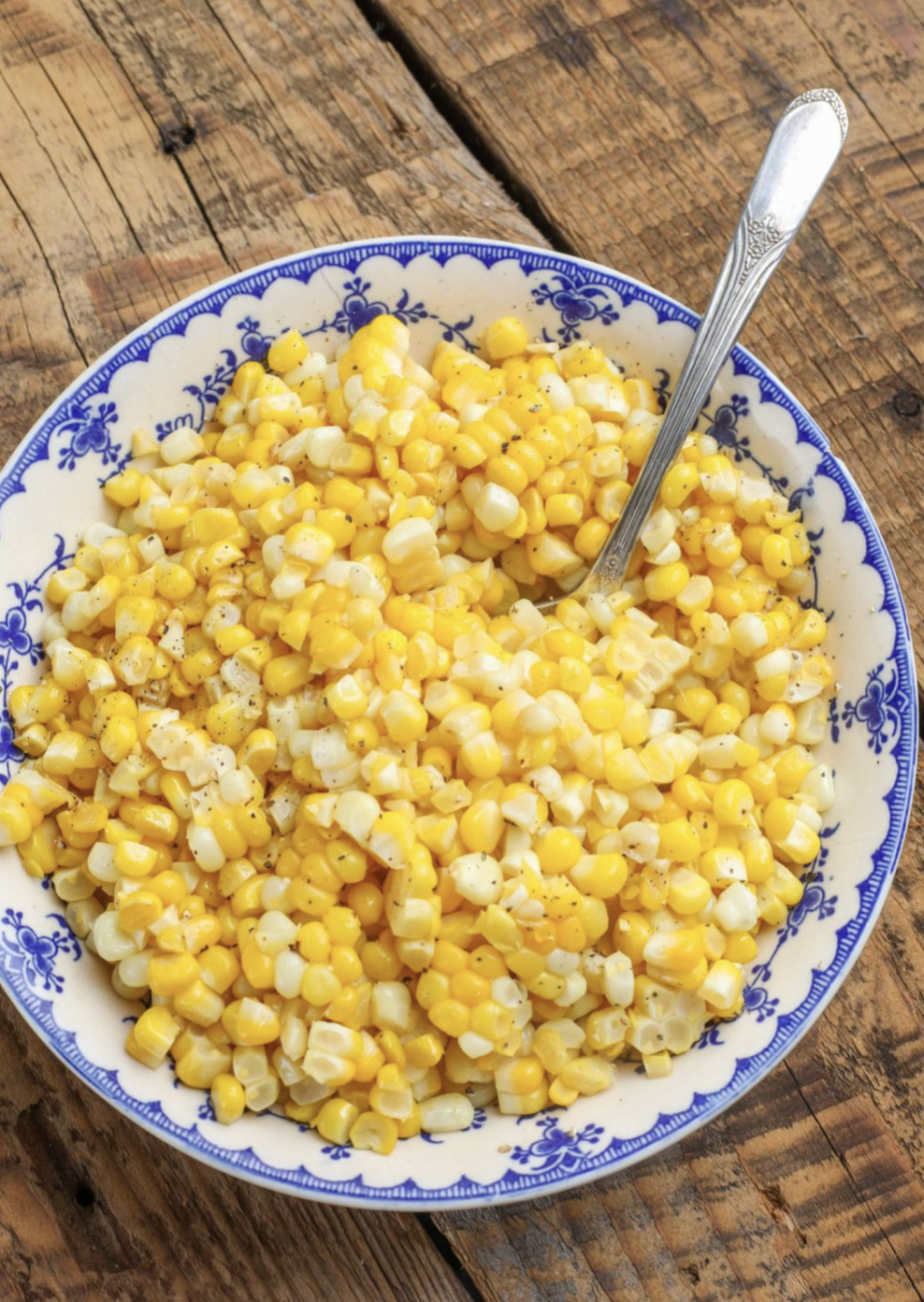
Corn
Beets
Bananas
Apples
Blueberries
Grapes
Broccoli
Carrots
Spinach
Cherries
Mangos
Similar to protein, try to get most of your carbs from less processed foods!
Build Muscle in the Kitchen, Too
Muscles aren't just built on a bench press or cable machine; they're built in the kitchen. Protein gives your body what it needs to build muscle, and carbs give you the energy to train at your full capacity. Use this guide to figure out how much protein and how many carbs fit your goals, and to get some ideas on what to eat!
Everyone's needs are different. If you're managing a health condition or have a history of disordered eating, please talk with your doctor or care team before changing how you eat. Our coaches are happy to coordinate with your care team, but coaching isn't a substitute for medical treatment.
Looking for easy meals to put this into practice? Grab our free recipes and nutrition resources, including the 5-ingredient recipe pack.